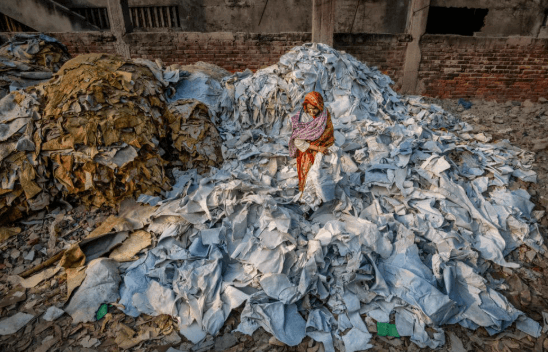

Sustainability in fashion within developing countries requires balancing environmental limits with social equity and economic resilience. Transparent supply chains and fair labor standards are essential, as is using local materials and traditional craft in scalable ways. The goal is to reduce waste and conserve water and energy while protecting cultural integrity. Achieving this balance presents challenges and opportunities that invite careful analysis, collaboration, and measured action to build durable, inclusive fashion systems. The question remains: how can these systems mature without compromising dignity or ecological health?
What Sustainability Means for Fashion in Developing Countries
Sustainability in fashion for developing countries encompasses more than environmental concerns; it also integrates social equity, economic resilience, and local capacity. The approach emphasizes transparent supply chains, ethical governance, and community empowerment. Outcomes rely on local materials and fair labor, enabling resilient livelihoods while reducing waste. Solutions prioritize scalable, context-aware strategies that respect autonomy, encourage collaboration, and honor cultural integrity and long-term flourishing.
How Local Crafts Meet Global Supply Chains
Local crafts sit at the nexus of artisanal knowledge and global demand, shaping how fashion supply chains function in developing contexts. The article explores how global sourcing integrates traditional practices with industrial systems, emphasizing transparent partnerships and fair compensation. It discusses artisanal scaling as a pathway for reliability, capacity-building, and respectful transfer of know-how while sustaining cultural integrity and economic freedom for craft communities.
Social and Environmental Impacts of Fashion Choices
How do everyday fashion choices ripple through people and ecosystems? They trigger unseen labor, water stress, and waste, shaping livelihoods and environments across supply chains.
Ethical awareness invites zero waste design and circular packaging as practical pivots, reducing harm while expanding opportunities for local communities.
Models, Challenges, and Opportunities for Resilient Futures
Models of resilience in fashion systems across developing countries hinge on multi-stakeholder collaboration, adaptive governance, and market-appropriate innovations that align environmental integrity with social welfare.
This section analyzes challenges to supply chain resilience, including informal labor vulnerabilities and resource constraints, while highlighting opportunities for ethical branding, transparent sourcing, and scalable, community-centered solutions that empower workers, reduce risk, and sustain inclusive growth.
See also: mytechstockcom
Frequently Asked Questions
How Do Microfinance Programs Support Small Fashion Producers in Developing Countries?
Microfinance programs identify microfinance opportunities, enabling small fashion producers by providing accessible credit, savings, and coaching. They empower producers through capacity building, risk-sharing, and market linkages, fostering ethical growth, financial autonomy, and resilient, freedom-oriented business development.
What Role Do Consumer Behaviors Play in Sustainable Fashion Adoption Locally?
Consumer demand influences local adoption of sustainable fashion, while accessible education empowers informed choices. The approach emphasizes ethical rigor, context awareness, and freedom-friendly messaging, guiding communities to favor durable, transparent practices and support for responsible producers.
How Can Local Policymakers Incentivize Ethical Production Across Fashion Value Chains?
Local policymakers can implement targeted grants, tax credits, and streamlined regulatory approvals to promote ethical production, ensuring traceability and fair labor standards. Such local policy incentives should balance innovation with accountability, fostering sustainable supply chains while preserving economic freedom for producers.
Are Traditional Textiles Adaptable to Modern Sustainability Standards Without Losing Identity?
Traditional textiles can adapt to modern sustainability without losing identity, using innovation adaptation while preserving identity preservation; satire opens imagery of cautious artisans navigating green standards, balancing ethical rigor with freedom. The approach prioritizes transparent supply chains and culturally respectful reform.
What Metrics Best Measure Real Environmental Impact of Locally Produced Garments?
The best metrics interpret environmental effects through lifecycle auditing, focusing on local manufacturing ethics. They emphasize supply chain transparency and metrics interpretation to compare options, guiding decisive, solution-oriented improvements while respecting freedom and context in garment production.
Conclusion
Sustainability in developing-country fashion demands parallel commitments: local empowerment and global accountability, artisan pride and responsible scalability, ecological stewardship and economic resilience. Communities steward resources, safeguard cultures, and innovate with traditional crafts integrated into transparent supply chains. Brands must respect fair labor, fair wages, and meaningful participation, while policymakers enable infrastructure and standards. Consumers choose transparency, durability, and reparability. Together, ecosystems of practice and policy converge, delivering dignity, long-term health, and inclusive growth across fashion’s evolving, globally connected, ethically rigorous future.
