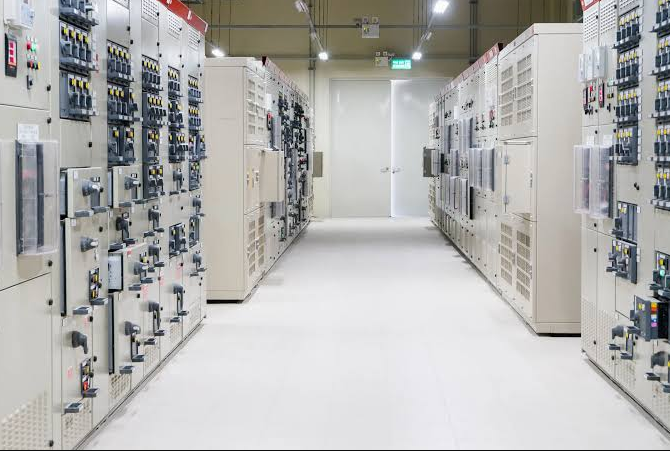

Electrical power distribution systems require reliable equipment that can safely control, protect, and isolate electrical circuits. Among the most important components used in modern power systems is enclosed switchgear. Designed to enhance safety, improve operational efficiency, and protect electrical equipment from environmental factors, enclosed switchgear is widely used across industrial, commercial, utility, and infrastructure applications.
As electrical systems become more complex and the demand for uninterrupted power continues to grow, enclosed switchgear has become an essential part of power distribution networks. Its protective enclosure safeguards critical electrical components while allowing operators to manage power systems safely and efficiently. Whether installed in manufacturing plants, substations, commercial buildings, or renewable energy facilities, enclosed switchgear provides dependable performance and long-term reliability.
This comprehensive guide explores everything you need to know about enclosed switchgear, including its working principle, components, types, applications, benefits, installation requirements, maintenance practices, and future trends.
What Is Enclosed Switchgear?
Enclosed switchgear is a type of electrical switchgear in which all major electrical components are housed within a protective metal or non-metallic enclosure. The enclosure is designed to protect both personnel and equipment from electrical hazards, environmental conditions, and accidental contact with energized parts.
Switchgear serves as the control and protection center of an electrical system, managing power distribution while protecting circuits from overloads, short circuits, and other faults.
Key characteristics of enclosed switchgear include:
- Fully enclosed construction
- Enhanced personnel safety
- Equipment protection
- Fault isolation capability
- Reliable power control
- Environmental resistance
These features make enclosed switchgear an essential component of modern electrical infrastructure.
See also: Elevate Your Everyday Style with Leather Backpacks
How Does Enclosed Switchgear Work?
To understand the importance of enclosed switchgear, it is helpful to understand how it functions within an electrical distribution system.
The switchgear receives electrical power from a source such as a transformer, generator, or utility connection. It then distributes power to various circuits while monitoring electrical conditions and protecting the system from faults.
The operating process typically includes:
- Receiving incoming power
- Distributing electricity to loads
- Monitoring electrical parameters
- Detecting abnormal conditions
- Interrupting fault currents
- Isolating affected circuits
This coordinated process ensures the safe and reliable operation of electrical systems.
Main Components of Enclosed Switchgear
Enclosed switchgear consists of several important components that work together to provide protection, control, and power distribution.
Each component serves a specific function within the overall system.
The primary components include:
Circuit Breakers
Circuit breakers interrupt electrical current during fault conditions and protect equipment from damage.
Disconnect Switches
Disconnect switches allow circuits to be safely isolated for maintenance and servicing.
Busbars
Busbars distribute electrical power throughout the switchgear assembly.
Protective Relays
Protective relays detect abnormal operating conditions and initiate corrective actions.
Instrument Transformers
Current and voltage transformers provide measurement signals for monitoring and protection systems.
Control Panels
Control panels enable operators to monitor and manage electrical equipment safely.
Enclosures
The enclosure protects internal components from environmental factors and accidental contact.
Importance of Enclosed Switchgear in Electrical Systems
Electrical systems depend on effective control and protection mechanisms to operate safely and reliably. Enclosed switchgear fulfills this role by providing a centralized location for power management and fault protection.
Without adequate switchgear protection, electrical systems would be vulnerable to failures, equipment damage, and safety hazards.
The importance of enclosed switchgear includes:
- Improved electrical safety
- Reliable fault protection
- Organized power distribution
- Reduced downtime
- Enhanced equipment lifespan
- Simplified maintenance procedures
These advantages contribute significantly to overall system performance.
Types of Enclosed Switchgear
Different electrical applications require different switchgear configurations. Manufacturers offer various types of enclosed switchgear designed to meet specific voltage levels and operational requirements.
Understanding these options helps users select the most appropriate solution.
Common types include:
Low Voltage Enclosed Switchgear
Low voltage switchgear is typically used in commercial buildings, industrial facilities, and institutional environments.
Applications include:
- Office buildings
- Hospitals
- Shopping centers
- Educational facilities
Medium Voltage Enclosed Switchgear
Medium voltage switchgear is used in larger power distribution systems requiring higher operating voltages.
Metal-Enclosed Switchgear
Metal-enclosed switchgear uses grounded metal compartments to house electrical equipment.
Metal-Clad Switchgear
Metal-clad switchgear provides individual metal barriers between components for enhanced safety and fault containment.
Applications of Enclosed Switchgear
Enclosed switchgear is widely used in numerous industries because of its versatility, reliability, and safety features.
Its ability to protect electrical equipment while providing efficient power control makes it suitable for many environments.
Common applications include:
- Utility substations
- Manufacturing plants
- Data centers
- Airports
- Hospitals
- Commercial complexes
- Water treatment facilities
- Mining operations
- Renewable energy projects
- Transportation infrastructure
These sectors rely on enclosed switchgear for dependable power system operation.
Advantages of Enclosed Switchgear
Organizations invest in enclosed switchgear because it offers numerous benefits that improve system reliability and operational efficiency.
These advantages contribute to lower operating costs and enhanced safety.
Major benefits include:
Enhanced Personnel Safety
The enclosure prevents accidental contact with energized components.
Environmental Protection
Internal equipment is protected from dust, moisture, contaminants, and weather conditions.
Improved Reliability
Protected components experience less environmental stress and longer service life.
Better Fault Containment
Enclosures help contain electrical faults and reduce the risk of equipment damage.
Reduced Maintenance Requirements
Protected equipment generally requires less frequent maintenance.
Operational Flexibility
Modern switchgear systems offer advanced monitoring and control capabilities.
Electrical Ratings and Specifications
Selecting the correct enclosed switchgear requires a clear understanding of electrical ratings and technical specifications.
Proper equipment selection ensures reliable operation and compliance with industry standards.
Important specifications include:
- Rated voltage
- Rated current
- Short-circuit rating
- Frequency
- Insulation level
- Protection class
- Busbar capacity
- Mechanical endurance
These parameters should align with the intended application.
How to Choose the Right Enclosed Switchgear
Choosing the right switchgear involves evaluating several technical and operational factors.
A systematic approach helps ensure optimal performance and long-term value.
Important considerations include:
Voltage Requirements
The switchgear must be rated appropriately for the system voltage.
Load Capacity
Electrical loads should be accurately calculated before equipment selection.
Fault Current Levels
The switchgear must safely withstand expected fault currents.
Environmental Conditions
Installation environments influence enclosure design and protection requirements.
Future Expansion Plans
Allowing room for future growth can reduce upgrade costs later.
Installation Requirements for Enclosed Switchgear
Proper installation is essential for achieving reliable performance and ensuring personnel safety.
Following manufacturer recommendations and industry standards helps avoid operational issues.
Important installation considerations include:
- Adequate ventilation
- Proper grounding
- Equipment accessibility
- Structural support
- Cable management
- Environmental protection
- Compliance with electrical codes
Professional installation is recommended for all switchgear projects.
Safety Features of Modern Enclosed Switchgear
Safety remains a primary design objective for modern switchgear systems.
Manufacturers incorporate numerous safety features to protect personnel and equipment.
Common safety features include:
Arc Flash Protection
Arc-resistant designs help reduce the effects of internal electrical faults.
Mechanical Interlocks
Interlocks prevent unsafe operating procedures.
Grounding Systems
Proper grounding enhances fault protection and personnel safety.
Fault Monitoring
Continuous monitoring helps identify developing issues.
Compartmentalization
Separate compartments improve fault isolation and maintenance safety.
These features contribute significantly to safe operation.
Maintenance of Enclosed Switchgear
Routine maintenance is essential for maximizing switchgear lifespan and minimizing unexpected failures.
A preventive maintenance program helps identify potential issues before they affect operations.
Typical maintenance activities include:
Visual Inspections
Regular inspections help detect physical damage and wear.
Cleaning
Removing dust and debris improves equipment reliability.
Electrical Testing
Testing verifies proper operation of protection and control systems.
Thermal Imaging
Infrared inspections identify overheating components.
Mechanical Inspections
Mechanical components should be checked periodically for wear and proper operation.
Consistent maintenance supports long-term reliability.
Common Problems and Troubleshooting
Although enclosed switchgear is highly reliable, occasional issues may occur during operation.
Understanding common problems helps maintenance teams respond effectively.
Typical issues include:
Overheating
Often caused by loose connections or overloaded circuits.
Circuit Breaker Failures
Mechanical wear or improper settings may affect breaker performance.
Insulation Degradation
Aging insulation materials can reduce system reliability.
Corrosion
Environmental exposure may affect enclosure integrity.
Control System Malfunctions
Electronic components may occasionally require troubleshooting or replacement.
Regular inspections help minimize these risks.
Industry Standards and Compliance
Enclosed switchgear must comply with recognized industry standards to ensure safety and performance.
Compliance helps simplify inspections and supports reliable operation.
Common standards include:
- IEC standards
- IEEE standards
- ANSI standards
- NEC requirements
- UL certifications
- Local electrical regulations
Adherence to these standards demonstrates commitment to quality and safety.
Energy Efficiency and Sustainability
Energy efficiency is becoming increasingly important in electrical infrastructure design.
Modern switchgear systems support sustainability goals through improved performance and monitoring capabilities.
Benefits include:
- Reduced energy losses
- Improved load management
- Enhanced power quality
- Lower operating costs
- Better environmental performance
These advantages support long-term operational efficiency.
Future Trends in Enclosed Switchgear Technology
Advances in technology are transforming the capabilities of enclosed switchgear systems.
Modern facilities increasingly require intelligent, connected, and automated electrical infrastructure.
Emerging trends include:
- Smart switchgear systems
- Remote monitoring
- Predictive maintenance
- Digital substations
- IoT integration
- Advanced diagnostics
- Cybersecurity enhancements
These innovations are helping organizations improve reliability and efficiency.
Why Businesses Prefer Enclosed Switchgear
Organizations across various industries choose enclosed switchgear because it delivers a combination of safety, reliability, and operational flexibility.
Its ability to protect both equipment and personnel makes it a valuable investment.
Businesses prefer enclosed switchgear because it provides:
- Reliable power distribution
- Enhanced safety
- Environmental protection
- Long service life
- Reduced maintenance costs
- Better fault protection
- Improved operational efficiency
These benefits make enclosed switchgear a key component of modern power systems.
Conclusion
An enclosed switchgear system is a critical element of modern electrical infrastructure, providing safe, reliable, and efficient power distribution across a wide range of applications. By housing critical electrical components within a protective enclosure, enclosed switchgear enhances personnel safety, improves equipment protection, and supports reliable system operation.
From industrial facilities and commercial buildings to utility substations and renewable energy projects, enclosed switchgear plays a vital role in maintaining dependable electrical service. Understanding its components, applications, benefits, installation requirements, and maintenance practices helps organizations make informed decisions that maximize system performance and long-term value.
As technology continues to advance, enclosed switchgear will remain an essential solution for achieving safe, intelligent, and efficient electrical power distribution.
