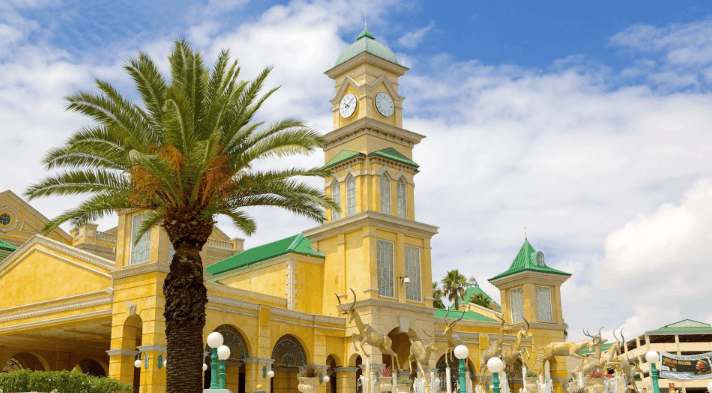

Johannesburg, often referred to as Jo’burg or Joburg, is the largest city in South Africa and serves as the economic hub of the African continent. Founded in 1886 following the discovery of gold, the city has a rich history intertwined with both the promise of prosperity and the tumultuous backdrop of apartheid. Today, Johannesburg is a vibrant metropolis characterized by diverse cultures, languages, and lifestyles. Its bustling streets house a plethora of markets, restaurants, and art galleries that reflect the city’s innovative spirit. Visitors will find themselves immersed in a lively urban landscape where historical landmarks coexist with modern architecture, providing a captivating glimpse into both the past and progress of South Africa.
For travelers eager to explore this dynamic city, there are various transportation options available, including international airlines. Notably, Cathay Pacific provides flight services from Seoul To Johannesburg, making it easier for visitors to access Johannesburg from major destinations around the world. Upon arrival, tourists can venture into iconic districts like Soweto, known for its rich cultural heritage, and the central business district, which showcases the city’s role as an economic powerhouse. Johannesburg’s warm climate and inviting atmosphere further enhance its appeal, drawing visitors from afar to experience its unique offerings, whether it be the thrill of a safari or an enriching visit to insightful museums. As the heart of South Africa, Johannesburg promises a memorable experience filled with adventure, history, and the warmth of its people.
Cradle of Humankind
The Cradle of Humankind, a UNESCO World Heritage Site located just outside Johannesburg, South Africa, is one of the most significant archeological sites in the world. Spanning approximately 47,000 hectares, this vital area is renowned for its extensive limestone caves and a rich repository of hominid fossils. Designated as a World Heritage Site in 1999, it is home to some of the oldest and most critical evidence of early human ancestors, shedding light on the complex evolution of mankind over millions of years.
One of the key highlights of the Cradle of Humankind is the Sterkfontein Caves, which have yielded numerous important fossil finds, including the famous Australopithecus africanus skull, nicknamed “Mrs. Ples,” discovered in 1947. In addition to Mrs. Ples, the site has produced over 500 hominid specimens, contributing to our understanding of early human development. The caves themselves offer an eerie yet fascinating glimpse into the past, with guided tours that educate visitors about the geological processes that formed these unique limestone formations.
Another notable aspect of the Cradle of Humankind is the Maropeng Visitor Centre, which serves as the main hub for education and exploration. The center features interactive exhibits that delve into the history of humankind, from the origins of life on Earth to the advent of modern humans. It also emphasizes the importance of conservation and preservation, encouraging visitors to appreciate not only the scientific relevance of the area but also its natural beauty and ecological significance.
In addition to its archaeological and educational value, the Cradle of Humankind offers a range of outdoor activities, making it a destination for nature lovers. With hiking trails, picnic spots, and opportunities for wildlife watching, visitors can experience the rich biodiversity of the region. From its ancient caves filled with history to its vibrant landscapes, the Cradle of Humankind stands as a magnificent tribute to our shared human heritage.
Lion & Safari Park
Visiting the Lion & Safari Park is an exciting adventure that offers a unique chance to experience Africa’s wildlife up close. To maximize your experience, it’s essential to plan ahead. First, check the park’s operating hours and any special events. Arriving early will help you avoid crowds and make the most of your day. Be sure to wear comfortable clothing and shoes, as you will be walking a fair amount. Sunscreen and hats are also recommended, especially if you’re visiting during the warmer months.
One of the highlights of the park is the opportunity to go on a self-drive safari or join a guided tour. If you’re driving, familiarize yourself with the park’s layout and the routes to ensure you don’t miss any of the main attractions. Keep your camera ready and be patient; wildlife doesn’t always adhere to a schedule. For those opting for guided tours, listen carefully to your guide, who can share valuable insights about the animals and their habitats, enriching your experience.
Make sure to allocate time for animal interactions—it’s one of the park’s unique features. Activities such as feeding giraffes or petting cheetahs allow for unforgettable close encounters. However, remember to respect the animals’ space and follow the staff’s instructions to ensure both your safety and that of the animals. This is particularly important in animal interaction areas, where some creatures may be more unpredictable than they seem.
Lastly, don’t forget to explore the park’s educational exhibits and facilities. The Lion & Safari Park is dedicated to conservation and education, so take the time to learn about the ongoing efforts to protect these majestic animals. The gift shop is another great stop, offering souvenirs and products that support wildlife conservation initiatives. By following these tips, you’ll ensure a memorable and enjoyable day at the Lion & Safari Park.
See also: Why Audio Video Technology Is Essential for Homes and Business Environments
Johannesburg Botanical Gardens
Nestled in the heart of Johannesburg, the Johannesburg Botanical Gardens is a verdant oasis that invites both locals and tourists to escape the urban hustle and bustle. Spanning over 81 hectares, this lush landscape boasts a diverse array of flora and fauna, making it a sanctuary for nature lovers and a perfect spot for leisurely strolls. The garden’s meticulously designed pathways lead visitors through vibrant flower beds, serene ponds, and towering trees, ensuring that each corner reveals a new slice of beauty. Whether you seek solitude or a place to connect with friends, the gardens provide a tranquil backdrop for every occasion.
One of the standout features of the Johannesburg Botanical Gardens is its impressive collection of indigenous South African plants, alongside exotic species from around the globe. Visitors can marvel at the seasonal blooms, which transform the gardens into a kaleidoscope of colors throughout the year. Seasonal events, such as the annual Spring Flower Show, celebrate these natural wonders, drawing in crowds who revel in the explosive display of blossoms. For the dedicated botanist or casual plant enthusiast alike, the opportunity to learn about these diverse ecosystems, often through guided tours or educational workshops, enriches the experience manifold.
Additionally, the gardens are home to an array of wildlife, providing a unique opportunity for birdwatching and wildlife spotting. From vibrant blossoms attracting butterflies to the occasional sighting of small mammals, the gardens serve as a living laboratory where nature thrives. The serene lakes and manicured lawns also offer perfect picnic spots, encouraging visitors to linger a little longer and indulge in the tranquility of their surroundings. Families can be seen enjoying leisurely afternoons, making the gardens a cherished community space.
In essence, the Johannesburg Botanical Gardens is more than just a collection of plants; it is a celebration of nature, heritage, and community. A visit to this lush sanctuary fosters a deeper appreciation for the environment and encourages sustainable practices. As a place of beauty that soothes the soul, it’s no wonder that the gardens continue to be a beloved landmark, inspiring countless visitors to engage with and protect the natural world around them.
